B2B Trade Show Marketing: A Practical Guide to Lead Generation and SMART Goals

Quick answer: B2B trade show marketing is a methodical strategy that combines pre-show promotion, evidence-based booth tactics, and structured follow-up to turn in-person conversations into a measurable pipeline. Success depends on setting SMART goals, using lead capture technology, and qualifying leads within 48 hours. This process can accelerate lead qualification by 85%.
- Set SMART goals: Define Specific, Measurable, Attainable, Relevant, and Timely objectives before the show to turn vague ambitions into a measurable return on investment.
- Pre-show promotion drives quality traffic: Invest in inbound and outbound marketing weeks before the event so you attract visitors who already have a buying intent, not casual browsers.
- Segment leads within 24-48 hours: Apply pre-agreed lead-scoring rules to separate hot opportunities from general contacts while the conversation is still fresh.
- Speed of follow-up matters: A Floodlight client improved lead qualification by 85% by triaging leads on the same day, ensuring sales conversations started before momentum faded.
- Nurture non-urgent leads: Send a single, helpful asset within 48 hours that addresses a specific problem discussed on the stand, then continue a structured nurture track to prevent cold contact lists.
- Measure ROI beyond badge scans: Track cost per lead, meetings booked, and opportunities created not just heads counted so you can trace conversions back to your SMART goals.
- Use lead capture tech that connects to CRM: Modern tools let reps qualify visitors against pre-set criteria and trigger follow-up sequences instantly, avoiding the CSV file that sits untouched for a week.
- Filter out non-buyers early: Learners, competitors, and job-seekers waste valuable sales time; remove them at the stand to keep pipeline conversations genuine.
A Practical Guide to B2B Trade Show Marketing
Trade shows remain a high-impact channel for B2B marketing, enabling in-person conversations that accelerate trust and buying decisions. However, successful trade show lead generation does not happen by chance. It requires a methodical strategy that starts weeks before the exhibition opens and extends well after the last visitor leaves.
This practical guide sets out a no-nonsense framework to help you attract quality visitors, qualify them efficiently on the stand, and convert interactions into pipeline. We will cover pre-show promotion, evidence-based booth tactics, and structured follow-up processes. From writing a booth staffing playbook to using digital tools for instant lead capture, we will examine what distinguishes top-performing exhibitors from the rest. The goal is to help you stop wasting budget on stands that look good but deliver little and instead build a system that turns every event into a measurable source of leads.
How to Set SMART Goals for Your Next Trade Show
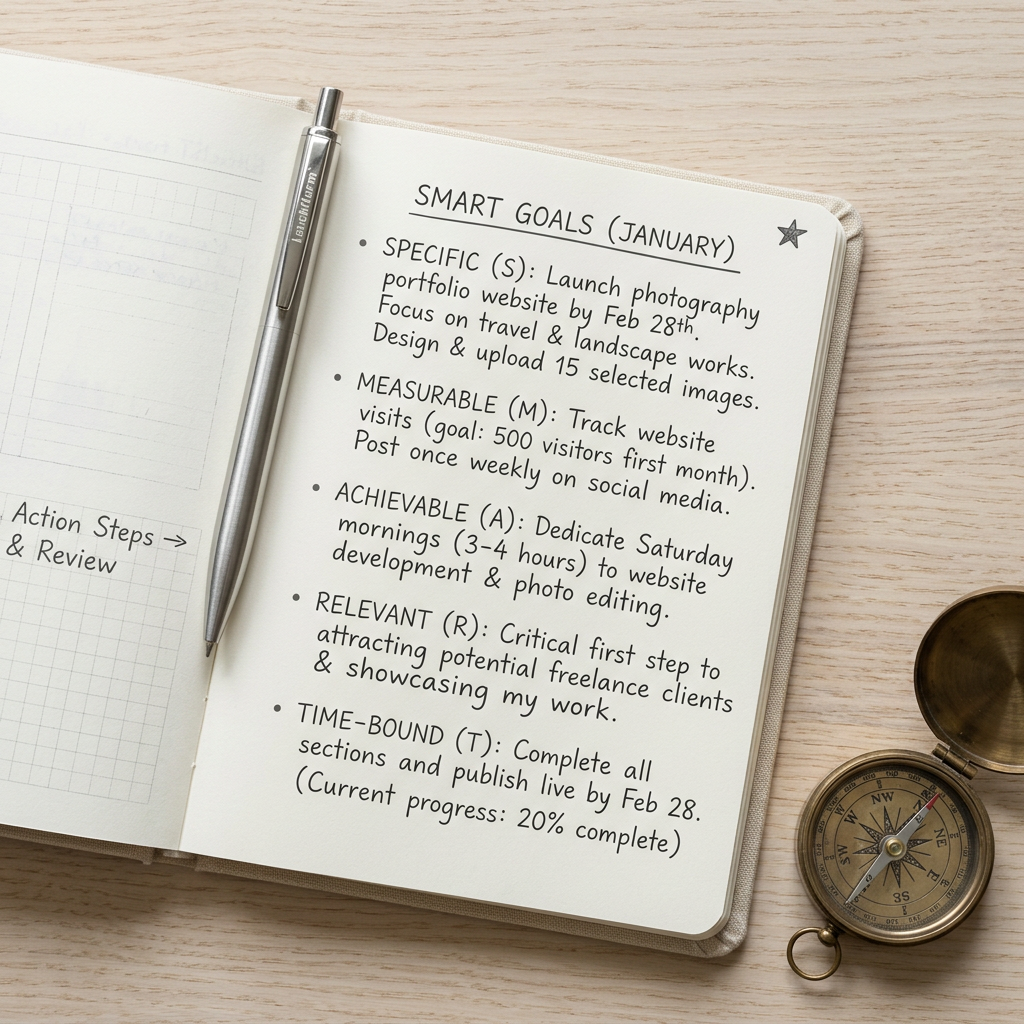
Without clear SMART goals for trade shows, your team risks investing time and budget in an exhibition that yields little measurable return. The SMART framework (Specific, Measurable, Attainable, Relevant, Timely) turns vague ambitions into focused targets that drive trade show ROI measurement.
Effective Trade Show Follow-Up and Measuring ROI
The real return from a trade show depends on what happens in the first 48 hours after the stand comes down. A disjointed follow-up process wastes the budget you have already spent, whether the show was built around inbound marketing, trade shows, content experiences, or traditional outbound marketing, trade shows, or stand interactions.
A practical trade show follow-up sequence starts by segmenting leads within one business day. Use the lead-scoring rules you set before the event (based on actions taken, role, and intent signals) to separate hot opportunities from contacts who simply scanned a badge. That speed matters: a Floodlight client accelerated lead qualification by implementing a same-day triage step, meaning sales conversations started while the conversation was still fresh.
For leads that show genuine purchase intent, hand them over with full context, not just a spreadsheet. For everyone else, resist the temptation to push a demo immediately. Instead, drop them into a structured lead nurturing track. Send a single helpful asset within 48 hours that addresses the problem they discussed on the stand, then continue the programme across email and your content channels until they actively re-engage. Without this step, most trade show contacts go cold within three weeks.
Your trade show ROI measurement should trace every qualified lead back to the SMART goals you set during planning. Track at least three levels: direct booth-to-opportunity conversions, pipeline influenced by nurtured contacts, and deals ultimately closed. Even a simple spreadsheet that records cost per lead, meeting booked, and opportunity created will outperform the industry habit of counting badge scans and guessing at value.
Quick qualifying leads keep the rest of the funnel honest. Filter out learners, competitors, and job seekers early so your sales team can spend time on those who actually intend to buy. If you need help building a follow-up process that stops leads from leaking away, Floodlight's team can design and embed it for you.
Lead Capture Technology and Appointment Setting at Your Stand
The hours your team spends on the stand are the most expensive minutes in your trade show budget. What you do with each visitor conversation determines whether that cost turns into pipeline. Smart day-of execution brings together the right tools, a smooth handoff, and a stand layout that encourages interaction rather than casual browsing.
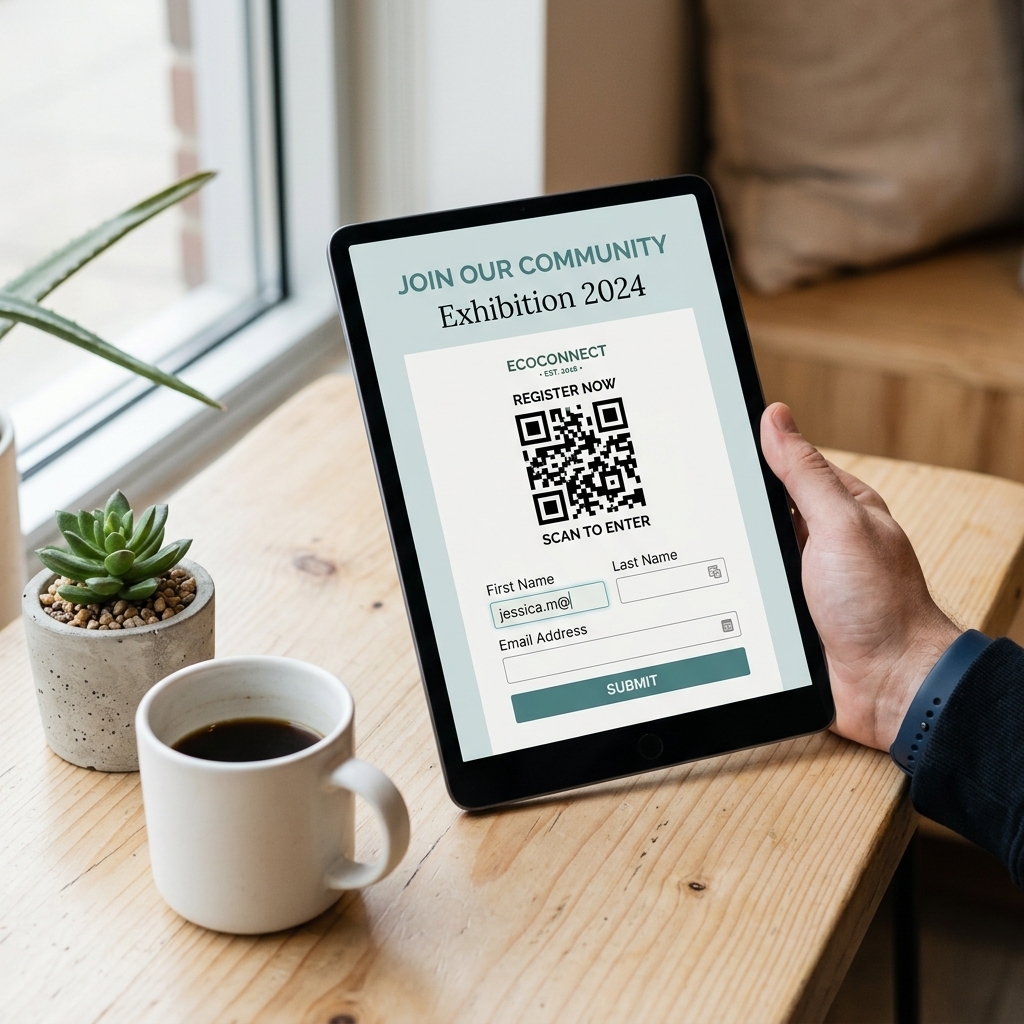
Lead capture technology for trade shows has moved far beyond a badge scanner that dumps a CSV file. Today's tools connect directly to your CRM, letting reps qualify visitors against pre-set criteria while the conversation is still fresh. A scanner or tablet app can append contact details, track product interests, and trigger an immediate follow-up sequence. The value is not faster badge scanning. It is giving your team structured, exportable data that feeds sales workflows the moment the show closes, not a spreadsheet that lingers in someone's inbox for a week.
Equally critical is face-to-face appointment setting at trade shows. Many marketers treat the stand as a fishing net, hoping to catch leads. A more productive approach is to use the stand as a booking hub. When a visitor shows genuine interest after a short qualifying chat, the rep opens a shared calendar and locks in a 20-minute follow-up call or demo, right there on the spot. This is not high-pressure sales. It is a logical next step that cuts the no-reply risk of post-show email. Staff need a simple script and access to a live calendar. The technology makes it frictionless.
Your trade show displays set the stage for both activities. A stand that puts product demonstrations at the centre, with semi-private meeting pods or a dedicated booking counter, signals that real business happens here. Clear signage that calls out a specific problem you solve helps visitors self-select, so reps spend time with the right people rather than fielding generic enquiries. When you pair a well-designed display with capture tech, the stand becomes a qualification engine rather than a brochure rack.
Pre-Trade Show Marketing Checklist: Inbound and Outbound Tactics
A structured pre-trade show marketing checklist turns scattered activity into a repeatable system. Whether you are exhibiting at a niche manufacturing conference or a large B2B software expo, start eight weeks out to give your audience time to register and your team time to prepare without panic.
- Appoint a trade show coordinator. One person should own the master schedule, vendor contacts, briefing documents, and internal communication. This single point of accountability prevents last-minute scrambling and keeps cross-functional teams aligned on deadlines, from stand design sign-off to staff rotas.
- Lock in trade show budget planning for B2B. Map every cost line: stand space and build, travel and accommodation, promotional materials, paid social ads, and any sponsored content or event listings. Allocate a 10-15% contingency for unexpected charges, such as freight delays or last-minute print runs. A detailed budget eliminates overspending and makes post-event ROI calculation straightforward.
- Select your trade show display and collateral. Order your stand, graphics, and any demo equipment early enough to avoid rush fees. Printed materials (flyers, case studies, one-pagers) should reinforce a single campaign message and feel cohesive with your online presence. A well-designed stand tells a story that draws visitors in without relying on gimmicks.
- Kick off trade show email marketing. Segment your list by current customers, warm prospects, and registered attendees. Send a 'save the date' email eight weeks out, a content-rich invitation four weeks later, and a meeting-booking prompt in the final 10 days. Keep each message short and lead each reader to a single action, whether it is securing a calendar slot or downloading an event guide.
- Layer in trade show social media promotion. Announce your attendance on LinkedIn and X (Twitter) using the official event hashtag. Share short video clips of your team preparing, stand previews, or quick takes on the problem you are solving. Ask your sales team to repost from their personal profiles. Organic reach often outperforms company-page posts.
- Invite customers and prospects directly. Personal invitations, whether by phone, email, or LinkedIn message, carry far more weight than generic blasts. When you invite someone to meet you on the stand, you signal that you value the relationship. Face-to-face interactions at trade shows deepen B2B networking and accelerate trust in ways digital channels alone cannot.
Build your checklist in a shared document or project management tool so the full team can see progress. Tick off each item as you go, and review weekly to maintain momentum through to the opening bell.
|
77%
conversion uplift
|
85%
faster lead qualification
|
6 hrs
saved per marketer weekly
|
Frequently Asked Questions
How do I set SMART goals for a B2B trade show?
Start by defining specific outcomes: number of qualified leads, scheduled meetings, or pipeline value. Make them Measurable: attach a figure to each, such as 40 scanned leads or 15 product demonstrations. Ensure goals are Achievable given your staff and budget, Relevant to broader marketing and sales objectives, and Time-bound with a clear deadline for post-show follow-up. Using analytics to benchmark against previous shows keeps targets grounded.
How should I budget for a B2B trade show?
A practical budget accounts for stand space and design, logistics, marketing materials, technology (lead capture tools), travel and accommodation for staff, and pre- and post-show promotion. Map each line item to a SMART goal. For instance, if you aim to book 20 meetings, allocate enough for a dedicated appointment setter. Treat pre-show promotion as a distinct line item right from the start, not an afterthought.
What should I include in my pre-trade show marketing checklist?
An effective pre-show checklist combines inbound and outbound tactics: email a segmented list with a personalised invitation, publish blog posts or videos that tease what you will showcase, schedule social media posts with the event hashtag, run targeted LinkedIn ads, and hold sales calls with high-value prospects to book appointments. Send a final reminder 48 hours before the doors open, including your stand number and a calendar link. This preparation turns passive attendance into booked, qualified conversations.
How can I combine inbound and outbound marketing before a trade show?
Inbound tactics like SEO-optimised blog posts, social content, and retargeting ads attract attendees who are already researching solutions. Outbound tactics (personalised emails, direct mail, and pre-show calls) reach specific prospects on your target list. When both streams work together, your stand benefits from broader visibility and pre-qualified traffic. Integrate your CRM and marketing automation so that every inbound download and outbound phone call feeds into a single, prioritised follow-up queue.
What lead capture technology should I use at my B2B stand?
The most effective technology eliminates data entry: badge scanners, QR codes linked to a mobile form, or tablet apps that sync directly with your CRM. Systems that instantly log lead details and conversation notes can accelerate lead qualification by 85% by enabling the sales team to act on accurate data within minutes, rather than waiting for manual uploads. Choose tools that let you score leads on the stand, so only genuinely interested contacts are flagged for fast follow-up.
How do I set up appointments at my trade show stand?
Pre-book meetings by having a team member reach out to registered attendees and existing contacts four to six weeks ahead. Use a shared calendar tool and set clear time slots, leaving buffers for walk-up traffic. During the show, a dedicated appointment coordinator can manage last-minute requests via a tablet or kiosk and sync bookings with your CRM. Confirm appointments the day before with a brief reminder that includes the stand location and the intended topic.
What is the best way to follow up with trade show leads?
Segment leads immediately: hot prospects get a personalised email or phone call within 24-48 hours referencing the conversation; warm leads receive a nurture sequence with relevant content; and non-decision-makers are invited to subscribe. Assign every captured lead to a specific sales owner and track whether they progress. A prompt, relevant follow-up protects the investment you made on the stand and is the single biggest factor in turning a handshake into a pipeline.
How do I measure the ROI of a trade show?
Track the entire journey from badge scan to closed revenue. Total all costs (stand, travel, marketing, staff time) and divide by the number of qualified leads to get the cost per lead. Then monitor how many leads become opportunities and, eventually, customers, assigning a value to each. Calculate the total pipeline generated and the actual revenue won, and compare them to the outlay. Using your CRM to attribute deals to the event source ensures you can prove and refine the return on your trade show investment.
Final word: pilot before you scale
Configure the approach in your existing CRM for 30 days. Measure the impact on lead qualification before extending it across the team.
Book a discovery call